What Makes a Wedding Dress Couture?
Couture is a word used freely in bridal fashion. Where it comes from, what it means in practice and how a couture wedding dress is designed, cut and finished.
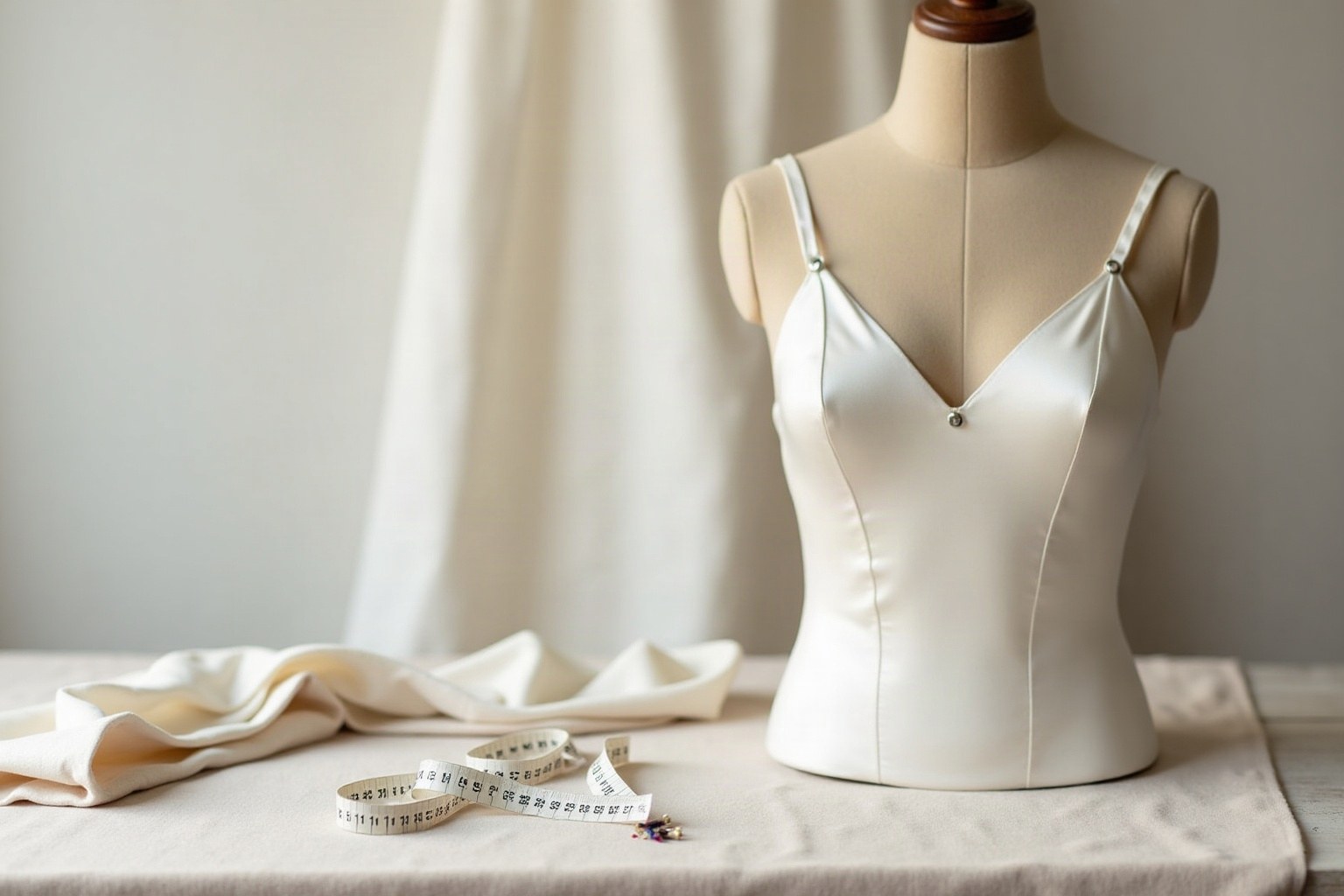
Couture is one of the most used words in bridal fashion, and one of the least explained. It appears on labels, in collection names and in descriptions of very different kinds of dresses.
The word describes something specific. Knowing where it comes from, and what it means in practice, makes it easier to understand what a dress described as couture actually offers.
Where the word comes from
Couture is the French word for dressmaking. Haute couture, literally “high dressmaking”, is narrower: in France it is a legally protected designation, regulated since 1945 by the French Ministry of Industry. It is granted by ministerial decision, on the advice of a commission within the Fédération de la Haute Couture et de la Mode, and only for one year at a time.
To earn it, a house must create original designs, made to measure and by hand, by its own artistic director, in workshops in France, and meet further conditions on its workshops, its staff and its seasonal shows in Paris. Only a small number of houses hold the designation.
No atelier outside that system can call its work haute couture, and that includes ours. When we use the word couture in this article, we mean a way of designing and making a dress, not an official title.
Outside that circle, couture is used more freely. That is not a problem in itself. What matters is whether a dress is actually designed and made the way the word describes.
What couture describes in practice
It is made for one woman. A couture dress is not produced for stock and left waiting on a rail. It begins once it has been commissioned, for the person who will wear it.
It is cut on her measurements. Not taken from a sample size and altered, but cut from the beginning on her own body. The difference shows where standard sizes never fit everyone: the shoulders, the waist, the back.
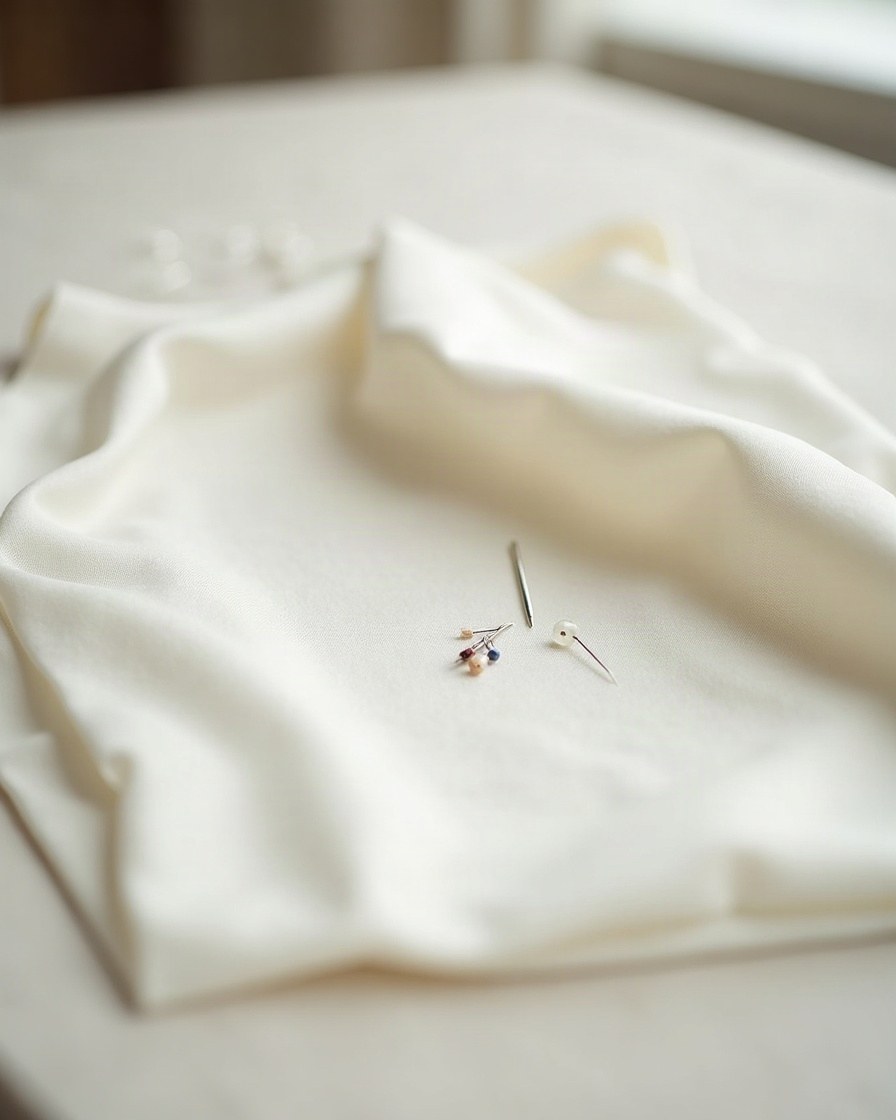
It is shaped through fittings. The line is corrected on the body, not on paper, over a series of fittings. In many couture houses, a first version is made in plain cotton, a toile, to test the line before the final fabric is cut.
It is finished by hand where it matters. Hems, closures, the inside of the bodice, the edges of the silk. Work that nobody sees, but that decides how a dress sits and moves through a long day.
Design and making are one process
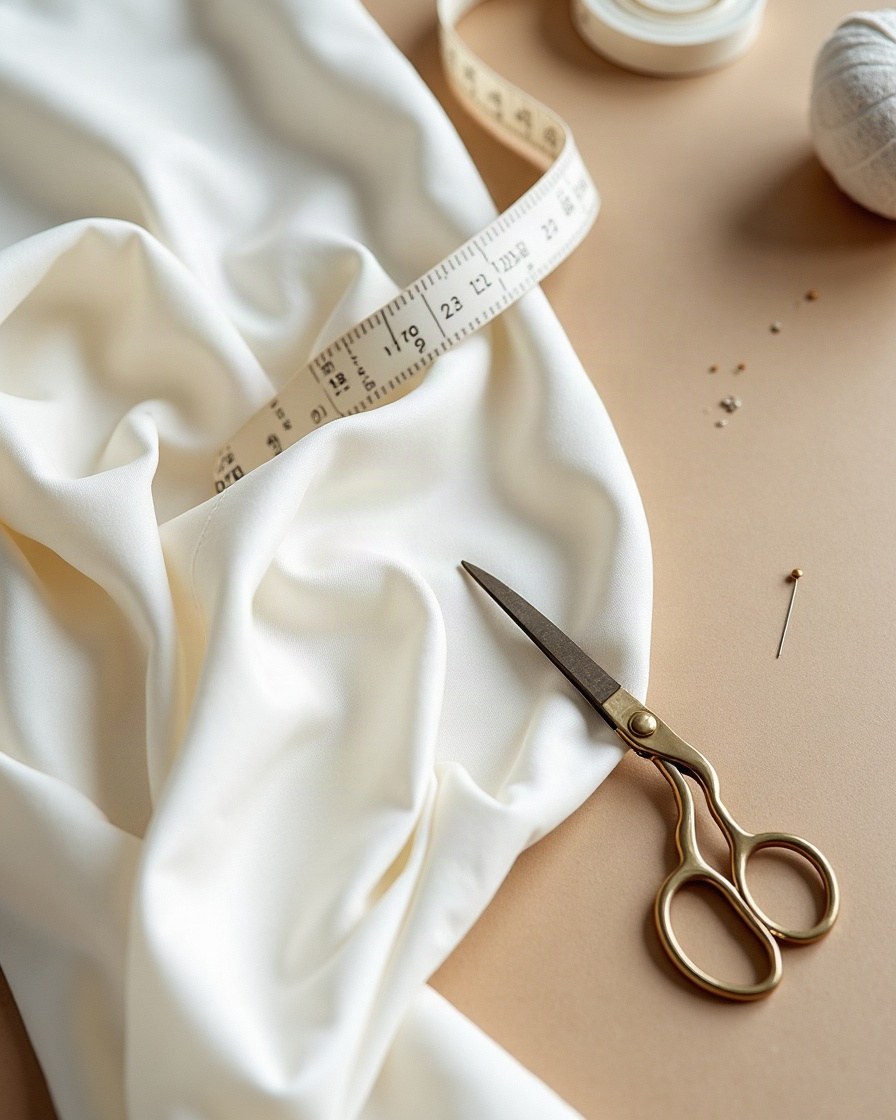
In couture, the design is not finished when the drawing is. It begins with a conversation about the woman, the wedding and the way she wants to move, and it keeps developing on the body. Proportions are adjusted at the fittings, and decisions that cannot be made on paper are made in front of the mirror.
The fabric is part of the design, not a choice made at the end. The same line can create an entirely different feeling depending on the fabric it is cut in, which is why the material is chosen together with the line.
This is what sets couture apart from ready-to-wear, where the design is complete before the bride arrives. Each approach has its place. In couture, the design is completed with her.
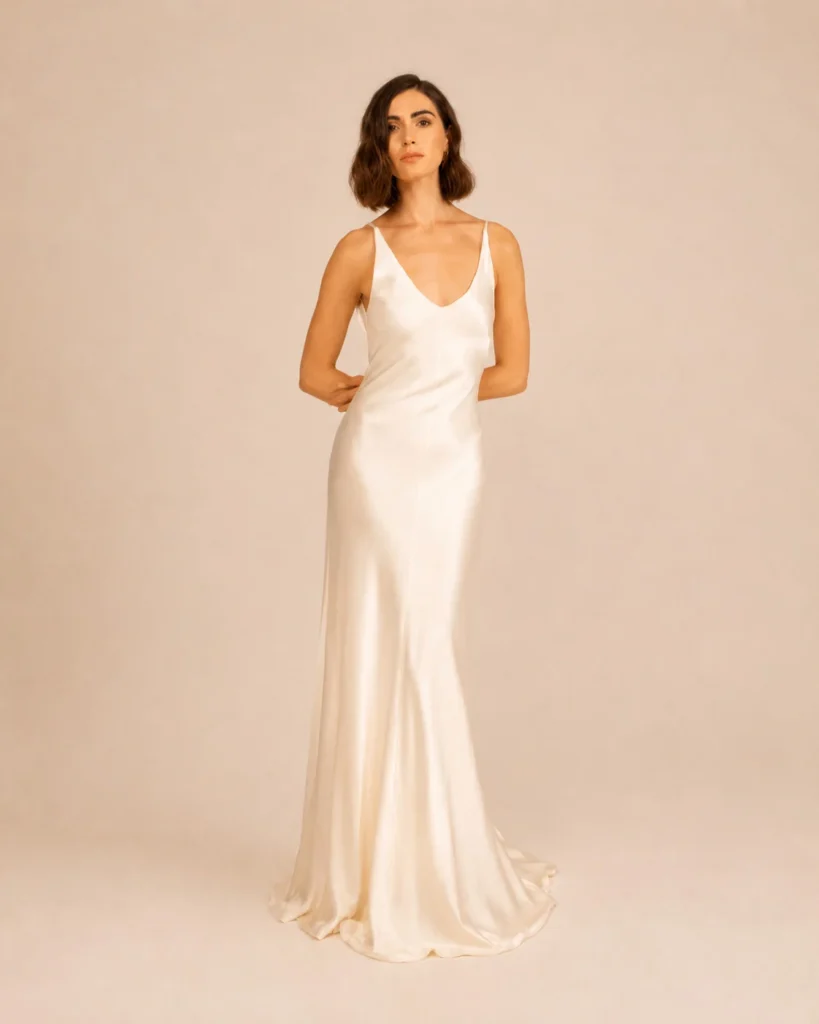
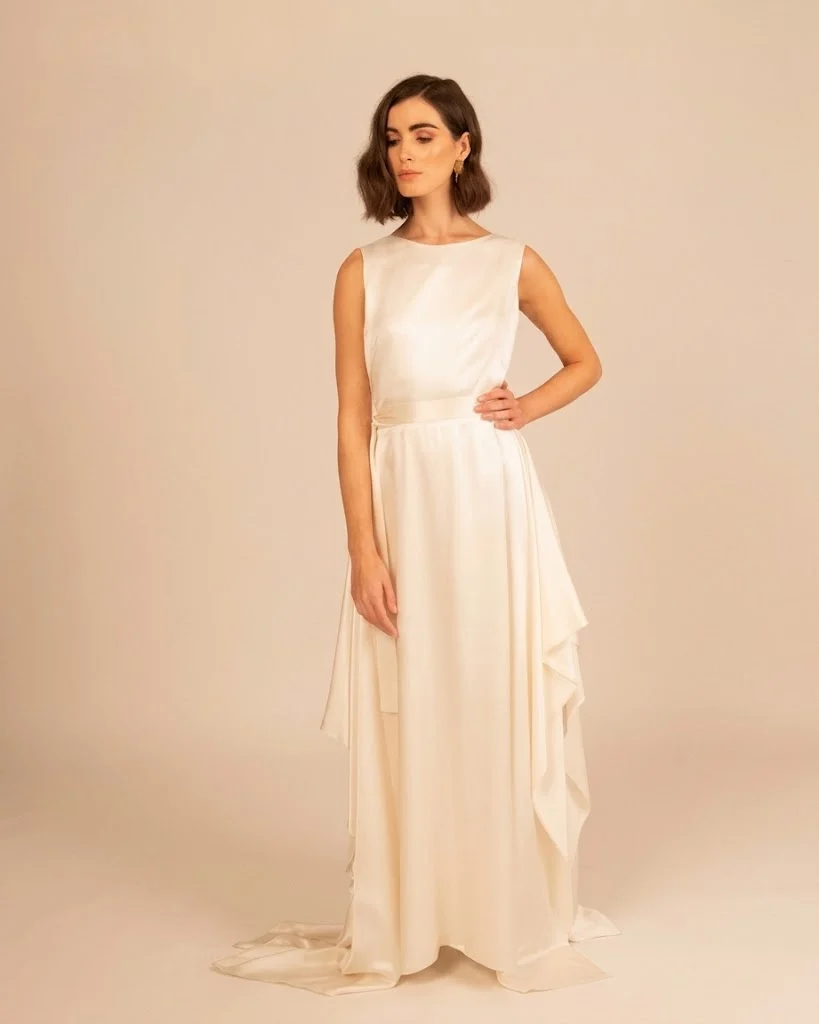
FROM THE COLLECTION
VIEW THE COLLECTION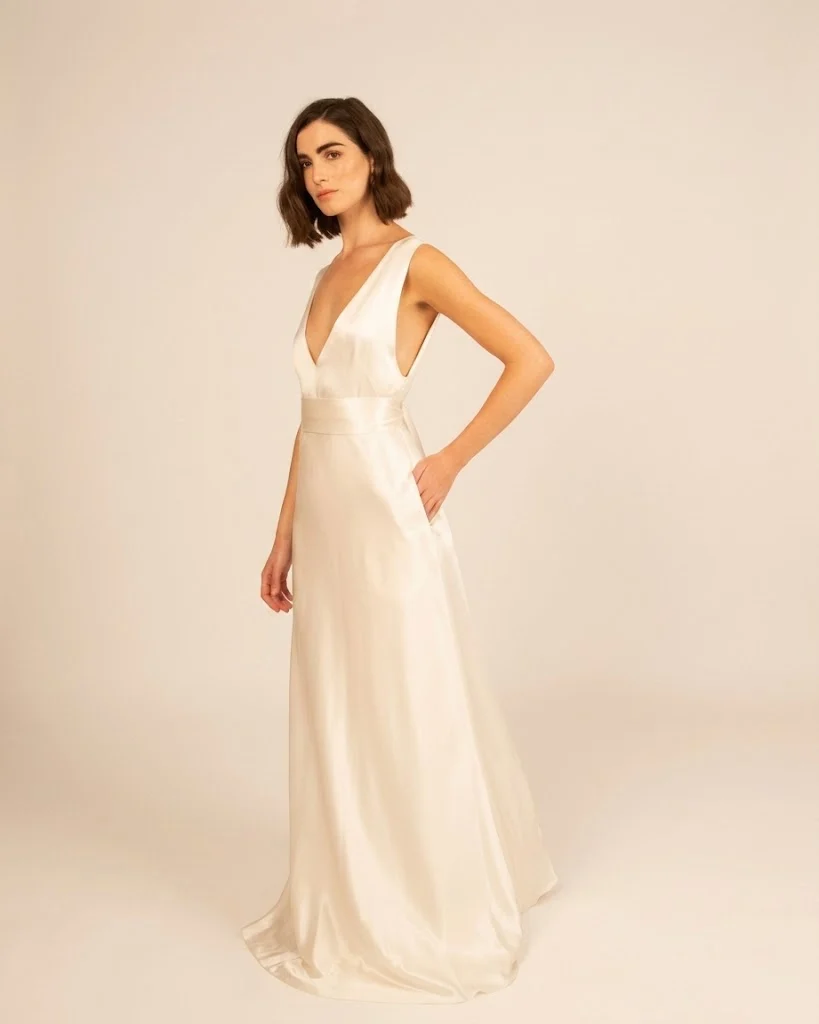
Couture, ready-to-wear and made-to-measure
These words overlap, and brands use them differently, but the broad distinction is this.
A ready-to-wear dress is designed once and produced in standard sizes. It arrives finished, and alterations adapt it to the bride afterwards.
A made-to-measure dress usually starts from an existing pattern that is adjusted to the bride’s measurements.
A couture dress starts from the bride. The design can begin from a line in a collection or from nothing, but the dress itself is cut and built for her alone. What that means as an approach, rather than as a method of construction, we explain in what a bespoke wedding dress is.
Why it shows most in a simple dress
Couture is often associated with embroidery, lace and volume. In fact, construction is most visible when there is nothing to hide it. In a minimalist wedding dress, the line, the fit and the way the fabric falls are all there is to look at.
Natural silk makes this even clearer. It is fluid and unforgiving, and it shows every uneven seam. Cutting and sewing it well takes patience, which is one reason a couture dress takes time. Why silk is worth that patience, we explain in why choose silk for your wedding dress.
Questions worth asking any atelier
If a dress is described as couture, a few questions will tell you what the word means there:
- Is the dress cut for me, or altered from a sample size?
- How many fittings are planned, and what happens at each one?
- Who makes the dress, and where?
- Which fabric is used, and why?
- Which parts are finished by hand?
Clear answers are a good sign, whatever the label says.
How we work
The words we use for our work are bespoke, custom-made and sur mesure. We do not describe it as haute couture: in France that is an official title, held only by the houses approved each year.
At Lefkon, every dress begins only after it is commissioned. It is cut from the beginning on your own measurements, shaped through fittings on your body and handmade in Greece by specialised craftspeople, in 100% Greek silk from Soufli. You can start from a line in the collection and adapt it, or start from a new idea.
The first conversation can happen online, wherever you are. Book a private appointment.
Frequently asked questions
Is a couture wedding dress the same as haute couture?
No. Haute couture is a protected designation in France, granted each year to a small number of approved houses, and an atelier outside that list cannot use it. Couture is used more broadly for dresses made to order, cut on the client’s measurements and finished by hand.
How many fittings does a couture wedding dress need?
It depends on the design and on how much the line changes on the body. Ask for the schedule at the start, so you know how the process will unfold.
Can a couture wedding dress be simple?
Yes. Simplicity does not reduce the work, it exposes it. In a dress without decoration, the cut and the finish are what you see.
Sources
- Fashion Network, Haute Couture Week begins in Paris. https://us.fashionnetwork.com/news/Haute-couture-week-begins-in-paris,1801099.html
- FashionUnited, Haute couture, a French exception under high protection. https://fashionunited.uk/news/fashion/haute-couture-a-french-exception-under-high-protection/2026012685917
FURTHER READING
ALL ARTICLES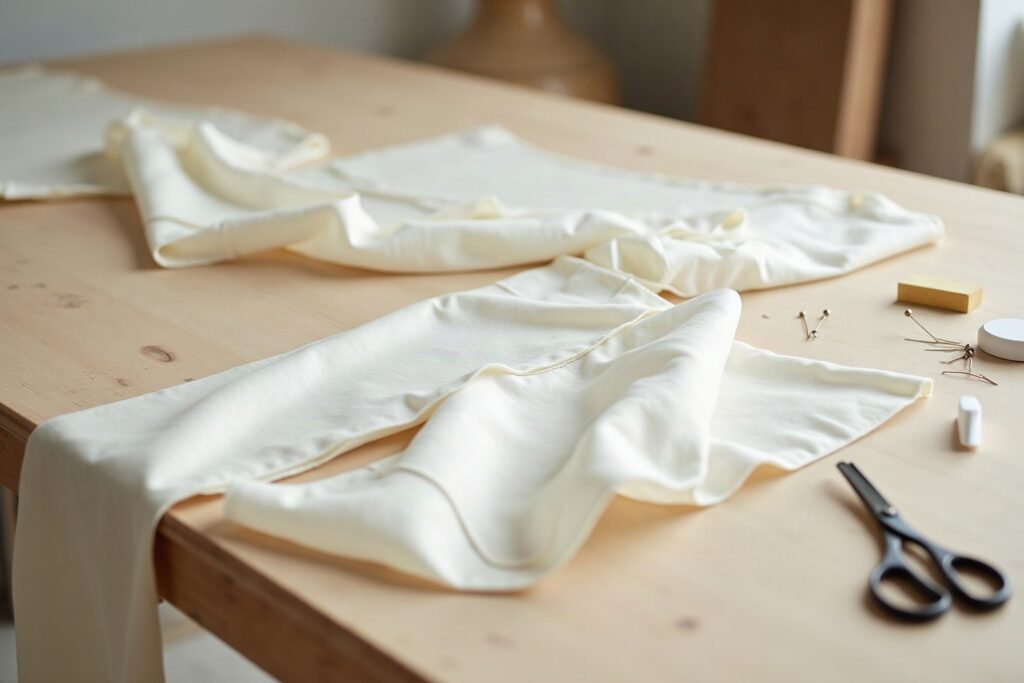
How Is a Handmade Wedding Dress Different from a Ready-Made Dress?
What handmade really means in a wedding dress, how it differs from a dress produced in standard sizes, and where the difference shows: fit, fabric and finish.
READ
What Makes a Wedding Dress Truly Unique?
What makes a wedding dress truly unique: silhouette, proportion, fabric, movement, construction and a design that begins with the woman who wears it.
READ
How to Find a Wedding Dress That Feels Like You
Before you look for the perfect wedding dress, ask how you want to feel in it. A way to choose a wedding dress that starts from you, not from trends.
READPRIVATE APPOINTMENT
Let us make it to your measurements
Leave your details and we will contact you to arrange an appointment at the atelier. No time limit and no obligation.